For months before anyone ever said the word leukemia, Addison’s family knew something wasn’t right. The symptoms didn’t appear dramatic or urgent at first — just persistent and confusing. Addison began having random fevers that would spike without warning and disappear just as quickly. Night sweats appeared out of nowhere. What seemed like constant allergy symptoms never fully improved. Some days she seemed more like herself, but the fatigue always returned. Her skin looked pale. Her little body always seemed to be fighting something.
Her family kept bringing her back to the doctor, trusting their instincts that something deeper might be going on. Tests were run for COVID, the flu, and even pertussis. Each result came back negative or inconclusive. Nothing alarming enough to trigger urgency, and nothing concrete enough to explain why Addison wasn’t getting better.
Eventually, an ENT visit revealed enlarged adenoids, which seemed like a reasonable explanation for her symptoms. Surgery was scheduled with the hope that removing them would finally help Addison feel like herself again.
But something still didn’t feel right. Then one day, everything changed. Addison’s stomach began to swell. At first it was subtle then suddenly it wasn’t. Her belly became tight and distended, and she struggled to catch her breath. Her family knew this was different. What had once been quiet worry suddenly became urgent fear.
They rushed Addison to the emergency room. Testing moved quickly. An ultrasound showed her spleen and liver were enlarged. Bloodwork followed, and the atmosphere in the room immediately shifted. Conversations became shorter. Movements became faster. Addison’s white blood cell count was dangerously high in the millions and her potassium levels were so elevated that they could have stopped her heart.
Within hours, Addison was in an ambulance. Soon after, she was being flown by helicopter to a children’s hospital. At the hospital, specialists filled the room. Machines surrounded her bed as doctors worked quickly to stabilize her. Addison’s body was already in crisis. The cancer cells were breaking down rapidly, causing a life-threatening condition called tumor lysis syndrome. As those cells died, they released toxins into her bloodstream faster than her body could process them.
Addison was sedated for two weeks while machines filtered her blood, removing excess white cells and balancing dangerous electrolyte levels. Her heart had to be monitored constantly. Then, on April 16, 2025, Addison’s family heard the words no parent is ever prepared to hear: High-risk leukemia.
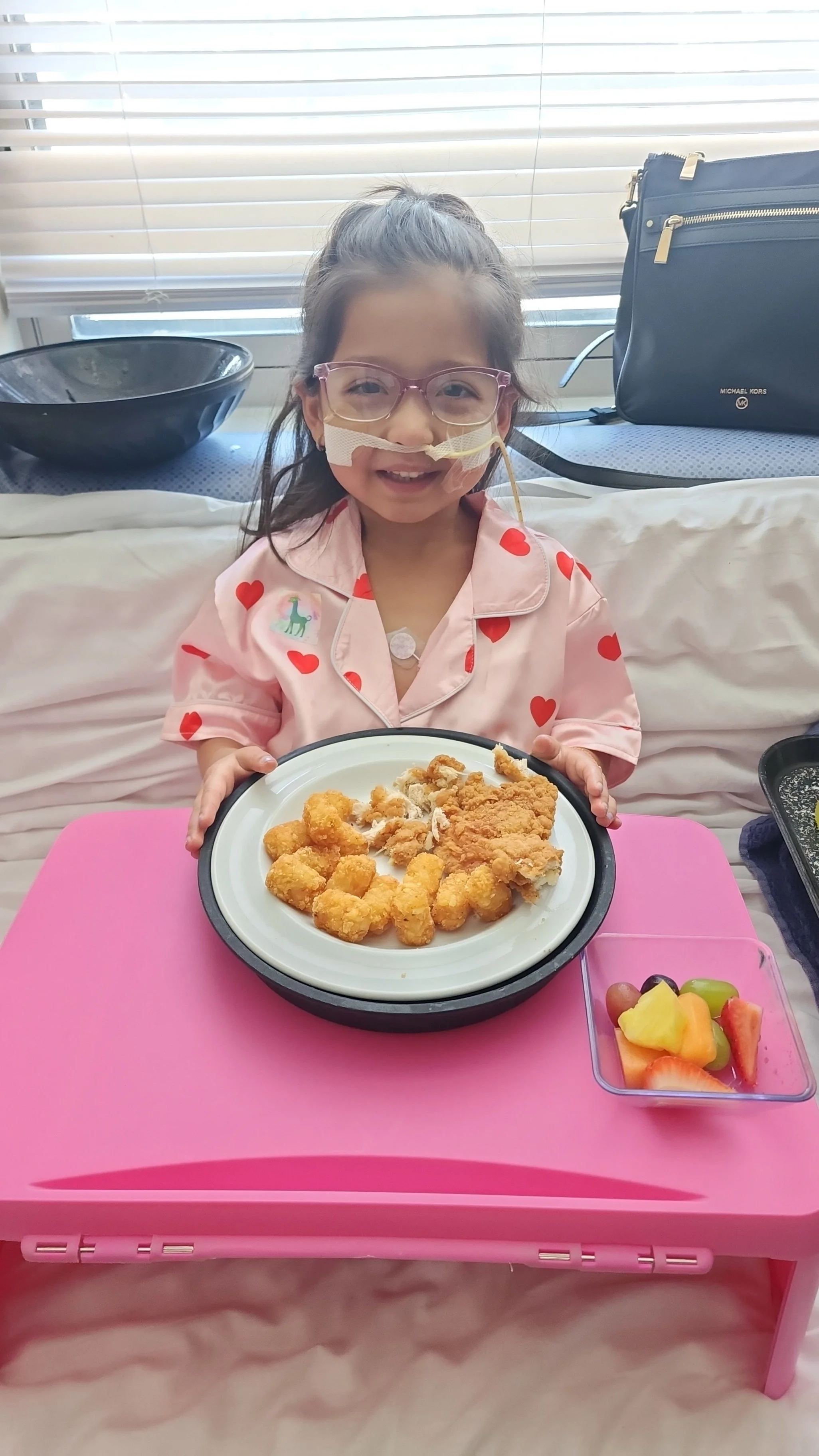
From that moment forward, life became measured in hospital rooms and lab results. Since her diagnosis, Addison has spent more than 120 nights in the hospital — over a third of her year living in hospital rooms instead of playgrounds or classrooms. She has received countless blood and platelet transfusions — bags of red and gold that slowly dripped into her tiny veins, helping her body keep fighting.
She has endured 15 bone marrow biopsies, 10 lumbar punctures, and more scans, procedures, and needle pokes than most adults will experience in a lifetime. Addison now knows how to sit still while nurses access her port. She recognizes the sound of an IV pump before it alarms. She understands what it means to be neutropenic and why she can’t always be around other kids.
Childhood for Addison has included oncology floors, masks, infusion pumps, and watching numbers on monitors. Her treatment journey has not been simple.
There were phases doctors hoped would bring remission induction, consolidation but Addison’s leukemia did not respond the way they had hoped. Words like high-risk, refractory, and Ph-like became part of everyday conversations.
Each time remission felt close, the disease pushed back. Eventually, discussions shifted toward clinical trials, transplant options, and CAR-T therapy. Addison’s case was studied carefully as doctors searched for the best path forward.
Around that time, she began treatment with Blinatumomab, and for the first time in months, her family saw signs of progress. Slowly cautiously the disease began to respond.
For the first time in a long time, hope returned. When Addison was approved for CAR-T therapy, her family moved forward knowing the risks were real but believing the chance for remission was worth it. The treatment itself moved quickly, but the days that followed were filled with fevers, constant monitoring, and anxious waiting. Every change brought both hope and fear.
But Addison endured just like she always had. Then, after nearly a year of fighting through ICU days, difficult treatments, and countless hospital nights, her family finally heard the words they had been praying for:
Remission. No evidence of disease. The relief didn’t come in loud celebration. It came as something deeper a heavy, overwhelming sense of gratitude after living in survival mode for so long. Childhood cancer awareness isn’t just about statistics.
It’s about children like Addison who spend months in hospital beds instead of classrooms. It’s about families who suddenly learn complex medical terminology overnight. It’s about the subtle symptoms that can appear long before a diagnosis. It’s also about the research and medical advances like CAR-T therapy that make stories like Addison’s possible.
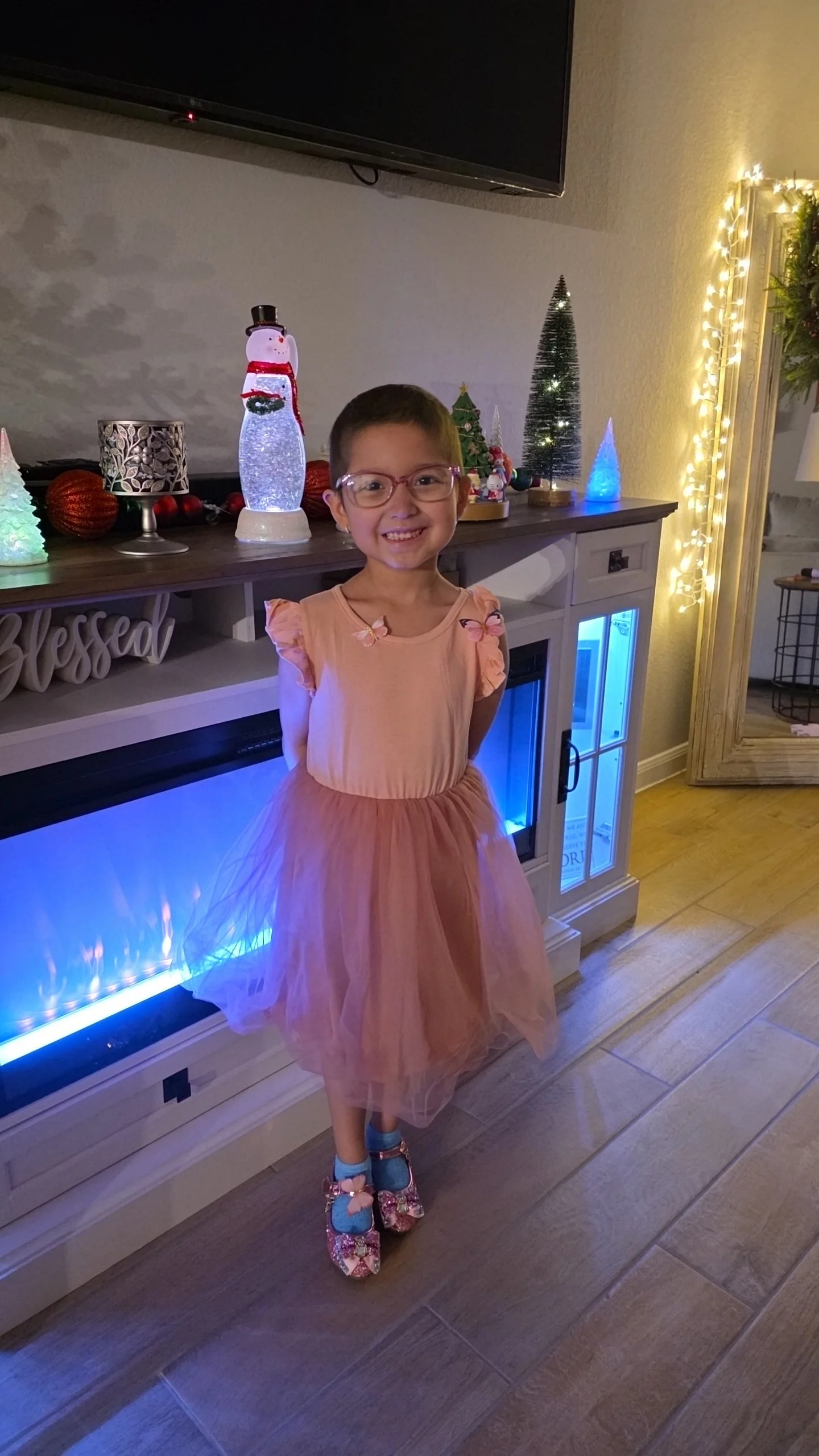
Cancer changed Addison’s life. It changed her family’s life too. But today, Addison is still here. She is in remission. Her family now counts the days Day 30, Day 60, Day 120 each one a quiet victory and a reminder that science, perseverance, and an incredibly brave little girl carried them through the unimaginable.
What Makes Addison Mighty 💛🎗️
Addison carries herself with a kind of bravery that leaves everyone around her in awe. She has endured more than many people experience in an entire lifetime, yet she continues to shine in the most beautiful ways.
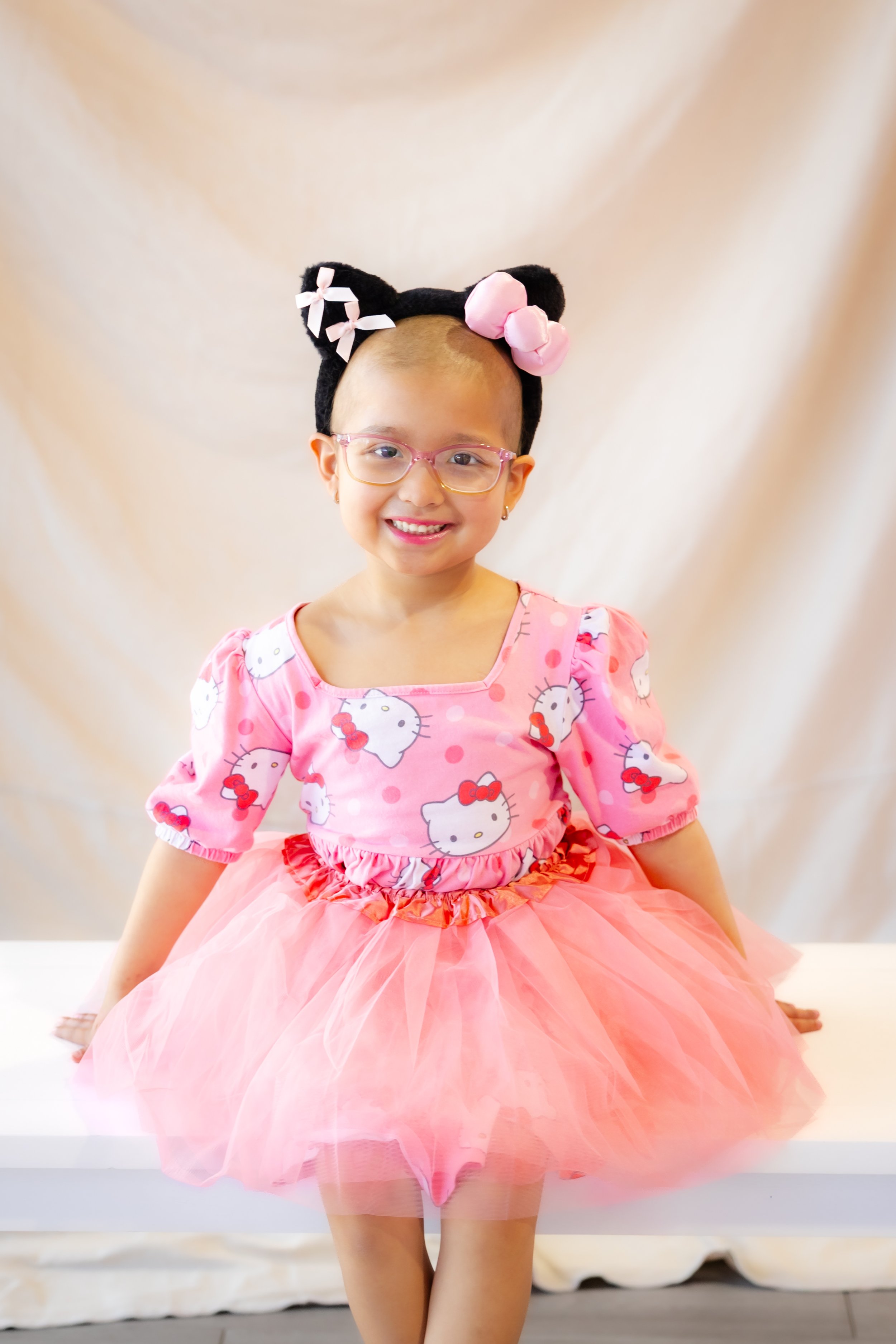
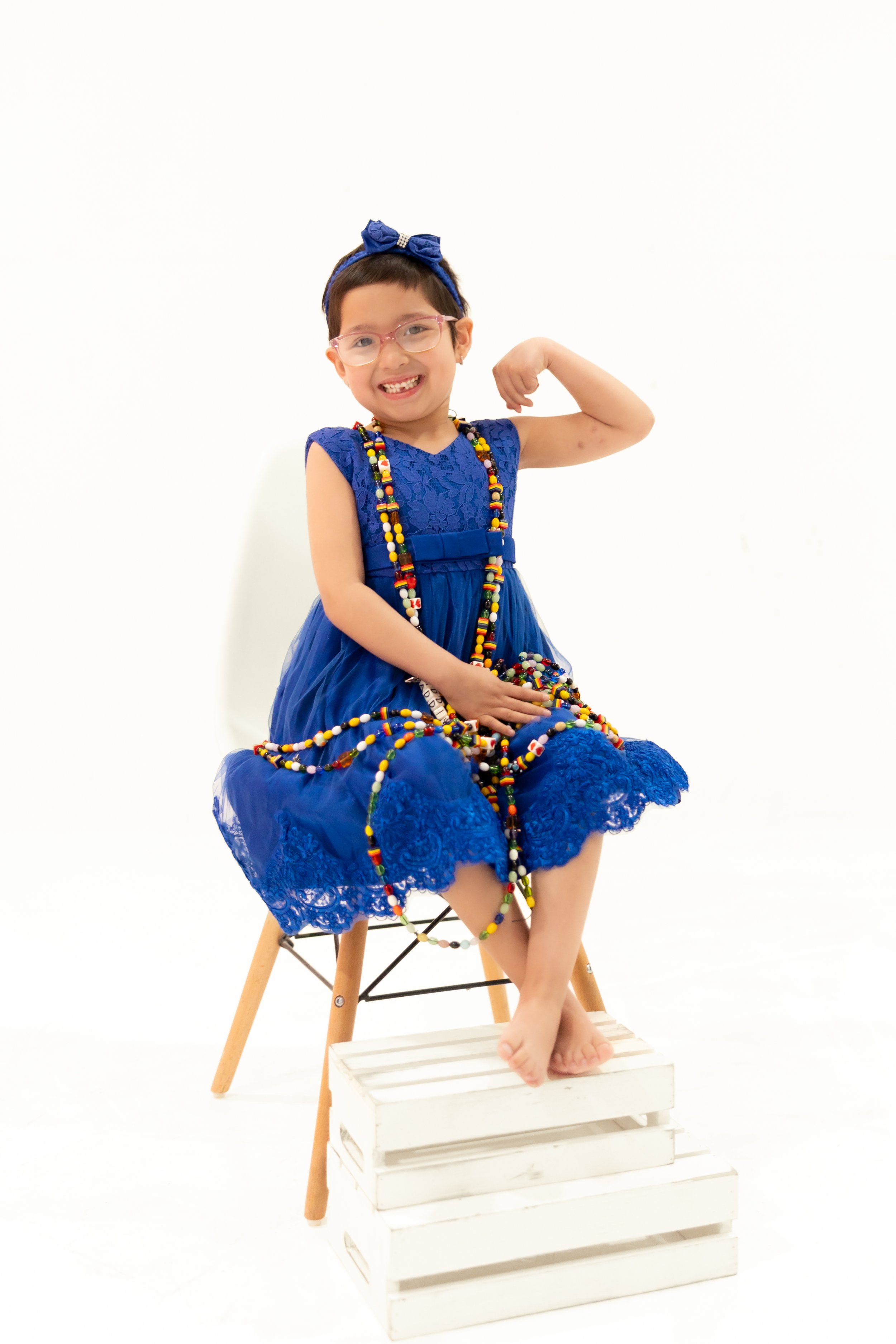
Even through long hospital stays, difficult treatments, and countless procedures, Addison still finds reasons to smile. She still loves pink, sparkles, and all the little things that make her uniquely her. Those moments of joy are reminders that her spirit is just as strong as her fight.
What makes Addison truly mighty isn’t just her battle with cancer it’s the way she chooses joy in the middle of it. It’s her gentle heart through the pain, her courage during the hardest days, and the light she brings to everyone who meets her.
Addison shows us all that even the smallest girls can have the mightiest hearts. 💛
If you would like to support Addison’s family, click here: Donate
Addison Mighty Story